
Years of Kentucky sun, hormones, and aging can cause brown spots, redness, and dull skin. At RevitaLife MD in Louisville, KY, our IPL photofacial uses gentle pulses of light to treat sun damage, age spots, freckles, and redness, with no incisions or needles and little to no downtime, so skin looks clearer, smoother, and more even in tone. Schedule your IPL photofacial or call us at (502) 272-4801.
What Is an IPL Photofacial?
An IPL photofacial, sometimes called an IPL photo facial, is a non-invasive, light-based aesthetic treatment. IPL stands for intense pulsed light, a form of light therapy, and the procedure uses a handheld device that delivers flashes of light to the skin. Despite the name, it is very different from a traditional facial. Instead of cleansing or exfoliating the surface, it uses light energy to address specific concerns such as pigmentation and redness.
How an IPL Photo Facial Treatment Works
IPL uses broad-spectrum light, which means a range of wavelengths rather than a single one. Pigment in dark spots (melanin) and the red cells in tiny blood vessels (hemoglobin) absorb that light and convert it to gentle heat. The heat breaks down unwanted pigment and reduces the appearance of small visible vessels, and your body naturally clears the treated cells over the following days and weeks. IPL may also stimulate collagen production, which is one reason many people notice smoother texture over a series of treatments.
Is IPL the Same as a Laser?
Not exactly. A laser delivers one focused wavelength of light, while IPL delivers a spectrum of light that is filtered to suit the concern being treated. Both are light-based, which is why IPL is often grouped with laser treatments on a spa menu. You will find IPL Photofacial listed with the other lasers at RevitaLife MD, and your provider can help you decide which technology fits your skin goals.
What Can an IPL Photofacial Treat?
IPL is versatile, which is why it is one of the most requested light-based treatments for facial rejuvenation. Common concerns include the following.
Sun Spots, Age Spots, and Freckles
Sun damage builds up over many years and often shows up as sunspots, age spots, and freckles you did not ask for. IPL targets this pigmentation, and the treated spots typically darken before they flake away. The face and other sun-exposed areas are common treatment areas, and your provider will confirm which areas are right for you.
Redness, Rosacea, and Visible Vessels
Persistent flushing, rosacea-related redness, and small spider-like vessels on the cheeks and nose respond well to IPL because the light is absorbed by the red tones in the skin. This vascular benefit is a major reason IPL is popular for people who want a calmer, more even complexion.
Uneven Tone, Texture, and Dull Skin
Over time, skin can lose its brightness and develop a rough or uneven texture. A series of IPL treatments can help refresh dull skin, soften the look of enlarged pores, and improve overall tone, leaving a more youthful appearance.
Acne and Unwanted Hair
Light-based treatment can also be used to address certain acne concerns and for hair removal. If hair removal is your main goal, explore our laser hair removal page. If breakouts and acne scars are your biggest concern, ask us whether chemical peels could be a better fit for your skin.
Benefits of IPL Photofacial Treatments
Here is why so many patients choose IPL for a clearer, healthier-looking complexion.
- Non-invasive: There is no surgery, no incisions, and no needles.
- Little to no downtime: Most people return to work and daily activities right away.
- Quick appointments: Treatment usually takes about 20 to 30 minutes.
- Multiple concerns at once: Pigment, redness, and tone can often be improved in the same session.
- Gradual, natural-looking results: Improvement builds across a series of treatments rather than changing your look overnight.
- Customized care: Your treatment plan is tailored to your skin type, goals, and treatment area.
Who Is a Good Candidate for an IPL Photofacial?
Good candidates are typically adults with sun damage, freckles, redness, or uneven tone who want visible improvement without surgery or a long recovery. IPL tends to work best on lighter skin tones, where the contrast between pigment and surrounding skin is greater. Because light-based treatments can cause unwanted pigment changes in darker or recently tanned skin, your provider will review your skin type before recommending IPL.
When to Wait or Consider Another Option
IPL may not be right for everyone. Let your provider know if any of the following apply:
- You have a recent tan or sunburn.
- You are pregnant or nursing, since many providers postpone light-based treatments.
- You take medications or supplements that increase light sensitivity, including isotretinoin.
- You have melasma, which IPL can sometimes make worse.
- You have an active skin infection or open lesions in the treatment area.
Not sure where to start? We can help you compare IPL with options such as Morpheus8 RF microneedling or chemical peels based on your goals.
What to Expect During Your IPL Photo Facial Treatment in Louisville
Your visit takes place at our Louisville location at 4050 Shelbyville Rd. Here is how the process typically unfolds.
Before Your Appointment
- Avoid tanning and limit direct sun exposure, and wear sunscreen daily.
- Tell your provider about all medications, retinoids, and skincare products you use. Many providers ask patients to pause retinoids before treatment, and we will tell you whether and when to do so.
- Arrive with a clean face, free of makeup, lotion, and self-tanner.
During the Treatment
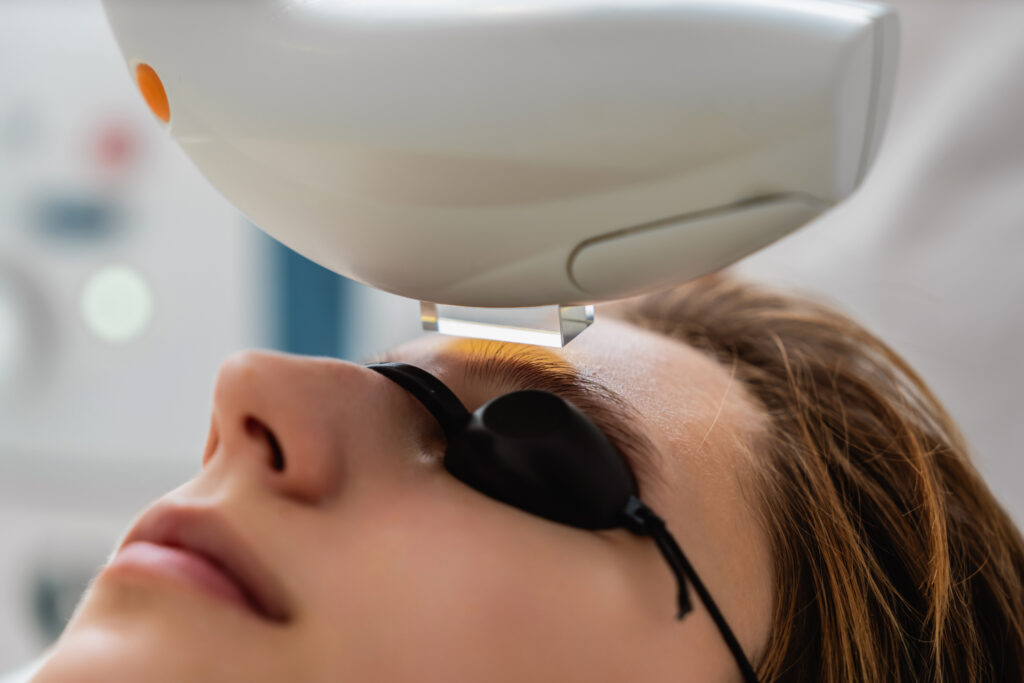
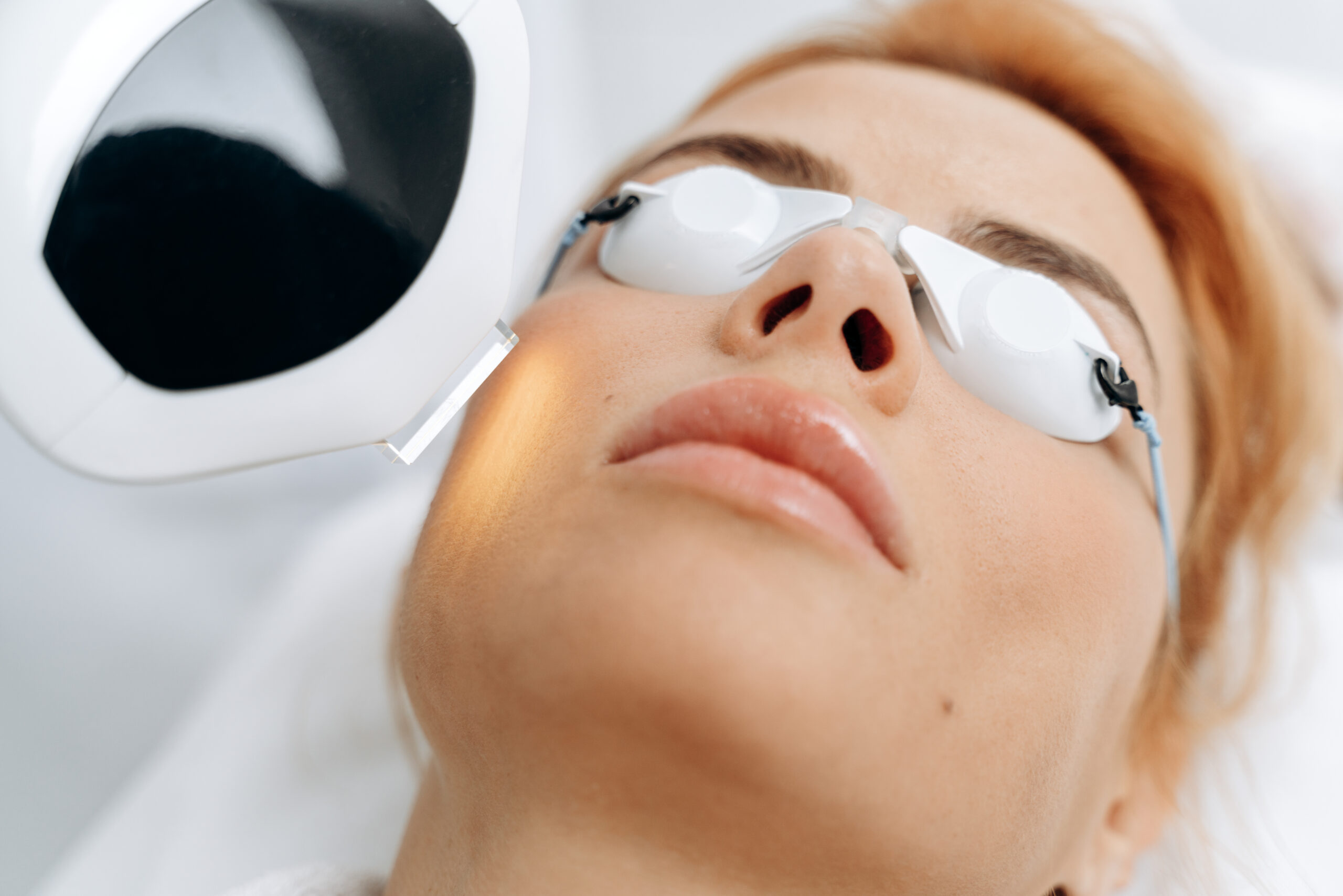
Most IPL sessions last about 20 to 30 minutes, and the exact time depends on the size of the area being treated. You will wear protective eyewear while your provider works across the skin in small sections, one pulse at a time.
What Does an IPL Photofacial Feel Like?
Most people describe a quick snapping sensation with a feeling of warmth. It is generally well tolerated. If comfort is a concern, mention it at your consultation, and your provider can adjust settings and talk you through comfort options.
IPL Photofacial Recovery, Downtime, and Aftercare
Is There Downtime After IPL?
There is no downtime in the traditional sense, so you can return to work and your daily routine right after your appointment. Temporary redness, warmth, or mild swelling is common and usually settles within hours to a couple of days. Treated sun spots often look darker at first and then flake away over about one to two weeks. The skin is not left open or wounded, but it is more sensitive than usual.
IPL Aftercare Tips
- Apply a broad-spectrum SPF 30 or higher every day and avoid direct sun.
- Do not pick, scrub, or scratch flaking spots. Let them shed on their own.
- Use a gentle cleanser and moisturizer while your skin settles.
- Skip hot tubs, saunas, and intense workouts for a day or two, or until redness fades.
- Hold off on retinoids and exfoliating products until your provider says it is safe to resume.
- Avoid tanning beds and self-tanner during your treatment series.
How Many IPL Photofacial Treatments Do You Need?
Most patients benefit from a series of sessions spaced several weeks apart. Results vary from person to person, and the exact number depends on how deep the pigment is, how much redness is present, and your skin type. Mild concerns may improve with fewer sessions, while more stubborn sun damage may need more. After assessing your skin, your provider will create a personalized treatment plan. You may notice changes within a couple of weeks as spots flake away, with fuller improvement building across the series.
How Long Do IPL Results Last?
Results can be long-lasting for many people, but IPL does not stop new sun damage or natural aging. Pay close attention to sun protection, because daily sunscreen is the best way to protect your investment. Many patients schedule occasional maintenance sessions to keep their complexion clear, and your provider can recommend a schedule based on how your skin responds.
Combining IPL with Other Treatments at RevitaLife MD
IPL focuses on color: pigment and redness. Many patients pair it with other aesthetic services that address texture, lines, and volume. Your provider will sequence treatments safely and may space them apart.
IPL and RF Microneedling
Radiofrequency microneedling targets texture, fine lines, and scarring rather than color. Our menu includes Morpheus8 RF microneedling and Agnes RF microneedling. Not sure which is right for you? Read our blog post, Morpheus8 vs. Agnes RF.
IPL with Facials and Chemical Peels
A HydraFacial or standard facial can complement your results with deep cleansing and hydration, while a chemical peel can further refine surface texture and dullness. For deeper skin resurfacing needs, our laser menu also includes fractional laser resurfacing and erbium, which work differently from IPL. Your provider will advise on timing.
IPL with Injectables and Lifting Treatments
IPL does not relax muscles or restore volume. Many patients pair it with Botox for expression lines, filler treatments using dermal fillers for lost volume, or a PDO thread lift for lift, so tone, lines, and structure are all addressed in one cosmetic plan.
Why Choose RevitaLife MD for IPL in Louisville, KY?
RevitaLife MD is a medical spa offering a full range of aesthetic services, from lasers and facials to injectables and wellness therapies, all at one Louisville address. If you are comparing IPL photo facial providers in Louisville, look for a plan built around your skin type, medical history, and goals. That is the approach we take at RevitaLife MD. Read what patients say on our Reviews page, learn more about our team, or check our monthly specials and VIP Club for savings on skincare and aesthetic services.
Every treatment at RevitaLife MD is performed or supervised by G. Brad Cummins, MD, who brings over 17 years of clinical experience and a focus on cosmetic laser procedures.
IPL Photofacial Frequently Asked Questions
What is an IPL photofacial?
An IPL photofacial is a non-invasive treatment that uses intense pulsed light to improve sun spots, redness, freckles, and uneven tone. It is not a traditional facial. It uses light energy instead of cleansing or exfoliation.
How does an IPL photofacial work?
Pulses of broad-spectrum light are absorbed by pigment and red blood cells in the skin. The light turns to heat, which breaks down dark spots and reduces visible vessels. Your body then clears the treated cells naturally.
What does an IPL photofacial treat?
IPL treats sun spots, age spots, freckles, rosacea-related redness, visible vessels, and rough or uneven skin texture. Light-based treatment can also help with unwanted hair and some types of acne.
Who is a good candidate for an IPL photofacial?
Adults with sun damage, redness, or uneven tone, especially on lighter skin tones, are often good candidates. Your provider will review your skin type, medications, and recent sun exposure first.
How long does an IPL treatment take?
Most appointments take about 20 to 30 minutes, depending on the size of the treatment area.
Is an IPL photofacial painful?
Most people feel a quick snap and a sense of warmth rather than significant pain. Sensitivity varies, so tell your provider if you are uncomfortable.
Is there downtime after an IPL photofacial?
There is little to no downtime, and you can resume normal activities right away. Redness or mild swelling may last for a few hours to a couple of days.
What should I expect after my treatment?
Your skin may look pink, and treated spots may appear darker before flaking off within one to two weeks. Use sunscreen, moisturize gently, and avoid picking at flaking areas.
Can you wear makeup after an IPL?
Many people can wear makeup the next day if the skin is not irritated. Your provider will advise on timing, and you should choose gentle products and remove them carefully.
Can I exercise after IPL?
It is best to skip intense workouts and heat exposure for a day or two, since sweating and heat can irritate sensitive, freshly treated skin.
How many IPL photofacial treatments are needed?
Most patients need a series of sessions spaced several weeks apart. The right number depends on your concerns and skin type.
How long after an IPL do you see results?
Some people notice treated spots darken and flake within one to two weeks. Fuller improvement in tone and redness builds over the course of the series.
How long do IPL results last?
Results can be long-lasting with daily sun protection, though new sun damage can develop. Maintenance sessions can help keep your complexion clear.
How should I prepare for IPL?
Avoid tanning and direct sun, wear sunscreen, and tell your provider about retinoids and medications. You may be asked to pause some products before your visit.
Can IPL treat melasma?
IPL is not usually the first choice for melasma and can sometimes worsen it. If you have melasma, your provider will recommend a safer approach after evaluating your skin.
Can IPL be combined with other treatments?
Yes. IPL is commonly paired with RF microneedling, facials, chemical peels, and injectables. Your provider will sequence them for best results.
What are the side effects of an IPL photofacial?
Common side effects include temporary redness, mild swelling, and flaking of treated spots. Less common risks include blistering or pigment changes, which is why a skin-type evaluation and careful aftercare matter. Tell us right away if anything seems unusual.
How much does an IPL photofacial cost?
Cost depends on the treatment area and how many sessions you need. Call us at (502) 272-4801 or see our monthly specials for current offers.
Book Your IPL Photo Facial in Louisville, KY
Ready for clearer, more even skin? Schedule your appointment online or call (502) 272-4801. You can find us at 4050 Shelbyville Rd., Louisville, KY. To see our full menu of skin rejuvenation options, visit our treatments page.