Red light therapy has moved from professional recovery rooms into everyday wellness routines, and the first question most people ask is a practical one: how long until I notice a difference? The honest answer depends on what you are treating and how consistently you treat it.
This guide gives you a realistic timeline for the most common goals, explains why the results build gradually instead of arriving all at once, and shows you how session frequency shapes how quickly you reach the outcome you want.
The Short Answer
Most people begin to notice subtle changes somewhere between six and twelve sessions, with fuller, more visible results appearing after eight to twelve weeks of consistent treatment.
That range is wide for a reason. Recovery and pain relief can register within the first handful of sessions, sometimes within hours of a single one. Skin rejuvenation, collagen production, and changes in tone or texture take longer, because they depend on a slower biological process. The light does its work at the cellular level, and cells need repeated stimulation before the cumulative effect becomes something you can see in the mirror.
How Red Light Therapy Works
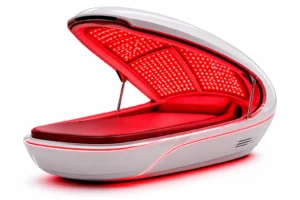
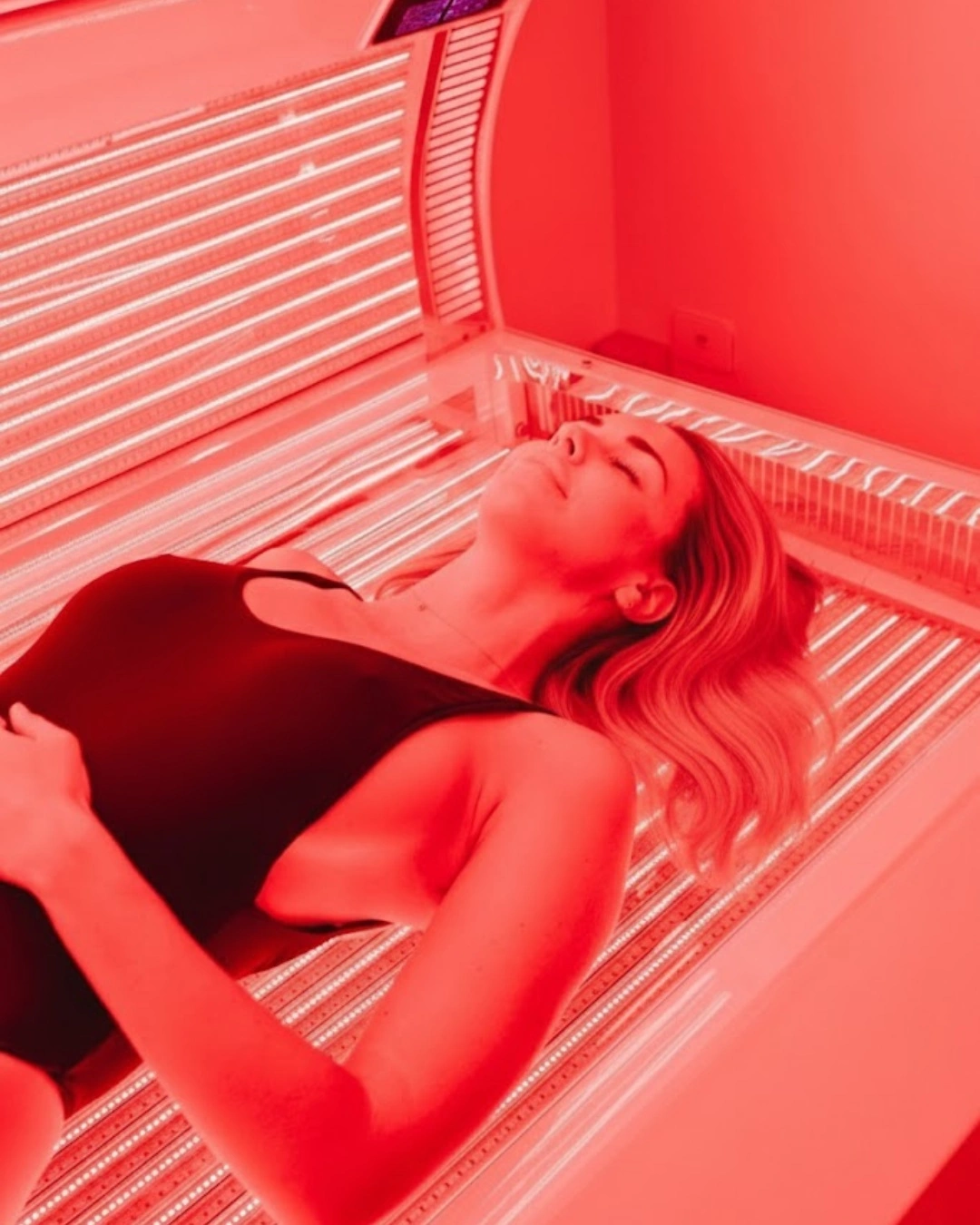
Red light therapy, known clinically as photobiomodulation, uses specific wavelengths of red and near-infrared light, typically between 620 and 850 nanometers, to reach the mitochondria inside your cells. The mitochondria are the structures that produce adenosine triphosphate, the molecule that powers nearly every cellular function.
When these wavelengths are absorbed, mitochondrial efficiency improves. Cells produce more energy and repair themselves faster. For skin cells called fibroblasts, that means a measurable increase in collagen and elastin production. For muscle and joint tissue, it means reduced inflammation and quicker recovery. For hair follicles, it means a longer, more active growth phase.
All of this happens through light absorption, at a comfortable temperature that does not burn or damage the skin. A course of red light therapy at RevitaLife MD works as a gentle, repeated signal that nudges your cells back toward their most efficient state.
Why the Results Are Cumulative
Red light therapy rewards patience because it works through a building process. Each session raises cellular energy production and switches on the genes involved in repair and renewal. A single exposure produces a short-lived boost. When you return for another session before that boost fully fades, the effect layers on top of the previous one.
Over weeks, those layers compound into structural change: denser collagen and calmer, healthier tissue. This is why a one-time session rarely delivers dramatic results, and why the people who see the most striking changes are the ones who treat consistently. Skin remodeling in particular follows the natural turnover cycle of the dermis, which takes several weeks to complete. You are giving your cells a steady supply of fuel and instruction, then allowing biology to do the rest.
A Realistic Timeline by Goal
Different concerns respond on different schedules. The table below shows when most people notice the first signs of change and when fuller results typically settle in, assuming three to five sessions per week.
Goal | First noticeable change | Fuller results |
Muscle recovery and soreness | 1 to 3 sessions | 2 to 4 weeks |
Joint and chronic pain relief | 3 to 6 sessions | 4 to 8 weeks |
Skin tone and brightness | 2 to 4 weeks | 8 to 12 weeks |
Fine lines, wrinkles, firmness | 6 to 8 weeks | 12 weeks and beyond |
Acne and breakout reduction | 2 to 4 weeks | 8 to 12 weeks |
Hair growth and density | 8 to 12 weeks | 4 to 6 months |
Keep in mind that these are typical patterns rather than guarantees. Two people following the same schedule can progress at different rates depending on age, skin type, the condition being treated, and overall health.
What a Full Course of Treatment Usually Looks Like
It helps to picture the arc of a typical treatment course rather than a single number. The first two to three weeks are mostly invisible work. Your cells are responding, energy production is rising, and inflammation is beginning to settle, but the changes are happening below the surface where you cannot see them yet. This is the stage where many people lose momentum, which is why setting the right expectation early matters so much.
Around weeks three to six, the first visible signs usually appear. Skin looks a little brighter and feels smoother, sore muscles recover faster, and stiff joints loosen earlier in the day. The progress is real but still modest, and it builds on itself with every session you keep.
By weeks eight to twelve, the cumulative effect becomes clearly visible. Collagen-related changes such as firmer skin and softened fine lines tend to show up in this window, and pain relief often reaches its steadiest point. From there, a lighter maintenance schedule is usually enough to protect what you have gained.
Knowing this pattern in advance changes how the early weeks feel. You can recognize the quiet early stretch as a normal and necessary part of the process, and stay consistent through it.
What the Research Shows
The clearest evidence for the cumulative nature of red light therapy comes from a controlled trial published in Photomedicine and Laser Surgery. Researchers treated participants with red and near-infrared light twice a week and measured their skin at baseline and again after 30 sessions. By the end of the study, the treated group showed a significant increase in intradermal collagen density confirmed by ultrasound, along with measurable reductions in skin roughness and visible improvement in clinical photographs compared to an untreated control group (Wunsch and Matuschka, 2014).
The detail worth holding onto is the number 30. The results were documented after a sustained course of treatment, not a single visit. This is the pattern across most credible photobiomodulation research: meaningful, measurable change follows consistent sessions over a period of weeks.
How Session Frequency Shapes Your Timeline
Frequency is the single biggest factor you control. The more regularly you treat, the sooner the cumulative effect reaches a visible threshold.
For most goals, three to five sessions per week during the first month produces the fastest progress. This front-loaded approach saturates your cells with the signal they need while the repair process is ramping up. Once you reach the results you want, many people shift to a maintenance schedule of two or three sessions per week to hold their progress in place.
Session length matters too, though within a narrower band. Most treatments run between ten and twenty minutes per area. Going longer does not accelerate results and can sometimes blunt them, since cells respond to an optimal dose rather than a maximum one. Consistency over time outperforms intensity in any single session.
What Affects How Quickly You See Results
Beyond frequency, a few personal factors influence the pace of change:
- Age and cellular health. Younger cells often respond faster, while mature skin may need a longer course to reach the same visible result, though it still responds well.
- Consistency and skin preparation. Clean, product-free skin lets the light penetrate properly, and an unbroken treatment schedule prevents the cumulative effect from resetting.
The condition being treated also matters. Surface concerns like redness or dullness tend to shift sooner than structural ones such as deep wrinkles or long-standing joint pain. Lifestyle plays a quieter role as well. Good sleep and steady hydration support the repair work that red light therapy sets in motion.
How to Tell It Is Working
Early signs are often subtle, and learning to recognize them helps you stay consistent through the first few weeks.
For skin, the first change many people notice is a smoother texture and a more even, slightly brighter tone, usually before any reduction in fine lines becomes obvious. For recovery and pain, the signal is simpler: less soreness after activity and easier movement in the morning.
Progress photos taken in the same lighting every two weeks are far more reliable than daily mirror checks, because gradual change is difficult to perceive day to day. If you reach eight to twelve weeks of consistent treatment with no perceptible difference, it is worth reviewing your distance from the device, your session frequency, and whether skin or clothing is blocking the light.
Stacking Red Light Therapy with Other Treatments
Red light therapy works well on its own, and it becomes more effective as part of a broader recovery routine. The cellular groundwork it lays pairs naturally with other therapies offered at RevitaLife MD.
Contrast recovery is one of the strongest companions. The circulation boost from alternating warm and cold exposure helps deliver oxygen and nutrients to the tissues that red light is actively repairing. Many clients pair their light sessions with time in the infrared sauna beforehand and a cryotherapy session afterward to round out the recovery loop.
For skin-focused goals, red light therapy also complements professional treatments like Morpheus8 RF microneedling and Attiva skin tightening. A consistent course of light treatment can prime the skin before a procedure and support faster, calmer healing afterward. And because better sleep accelerates tissue repair, pairing your sessions with a relaxing infrared sauna visit gives your body more of the overnight recovery window it depends on.
Making It a Habit
A simple starting protocol
For your first month, aim for four sessions per week, ten to fifteen minutes per area, on clean and dry skin. Keep the recommended distance from the panel, and protect your eyes if you are treating the face. Take a clear photo in the same lighting every two weeks so you can track progress objectively. After four to six weeks, reassess. If you have reached your goal, move to a maintenance rhythm of two to three sessions per week. If you are still building toward it, hold your frequency steady and give the process more time.
The pattern that emerges from both research and practice is consistent: results come from frequency sustained over weeks, not from occasional intense sessions. This is why convenient access to red light therapy in Louisville tends to be the deciding factor in whether people actually see the outcomes they were hoping for. A flexible VIP membership that makes it easy to come in several times a week removes the main obstacle, which is simply showing up.
Frequently Asked Questions
Can you see results after one red light therapy session?
After a single session, some people notice a temporary glow or a short-term reduction in muscle soreness. Lasting, visible results, especially for skin, require a sustained course of treatment, since collagen production and tissue remodeling are gradual processes.
How many sessions until I see skin results?
Most people see early improvements in skin tone and texture within two to four weeks of consistent use. Changes in fine lines and firmness usually take eight to twelve weeks, because they depend on new collagen forming and the skin completing its natural renewal cycle.
How often should I do red light therapy?
Three to five sessions per week is the most effective frequency during the first month. Once you reach your goal, two or three sessions per week is generally enough to maintain it.
Can you overdo red light therapy?
More is not better with photobiomodulation. Cells respond to an optimal dose, and very long or excessively frequent sessions can reduce the benefit instead of increasing it. Sticking to recommended session lengths gives you the best return.
Do the results last if I stop?
Recovery and pain benefits tend to fade within a few weeks once treatment stops. Skin and collagen improvements last longer because they reflect structural change, though a maintenance schedule helps preserve them over time.
Is red light therapy safe for regular use?
Red light therapy is well tolerated and considered safe for frequent use on healthy skin. People who are pregnant or taking photosensitizing medication should speak with a healthcare provider before starting.
Experience Red Light Therapy at RevitaLife MD
At RevitaLife MD, our red light therapy sessions are designed to fit easily into a consistent routine, which is exactly what the results depend on. Whether you are focused on skin renewal or faster recovery, our team can help you set a realistic schedule and track your progress. Explore our full range of treatments, then book your session today or browse our current special offers to make red light therapy a regular part of how you care for yourself.