One of the most common questions we hear at RevitaLife MD is both simple:
When should I start getting Botox?
Some people ask this after noticing fine lines and wrinkles for the first time. Others ask out of curiosity, prevention, or because friends have started treatments. Many worry they are too young. Others wonder if they waited too long.
The reassuring truth is this: there is no single correct age to begin Botox. The right time depends on your skin, facial movement, genetics, lifestyle, and personal goals.
Our goal is education, not pressure. With the right information, you can make a confident decision that feels natural and empowering.
How Botox Works and Why Age Is Not the Only Factor
Before discussing age, it is important to understand how Botox works.
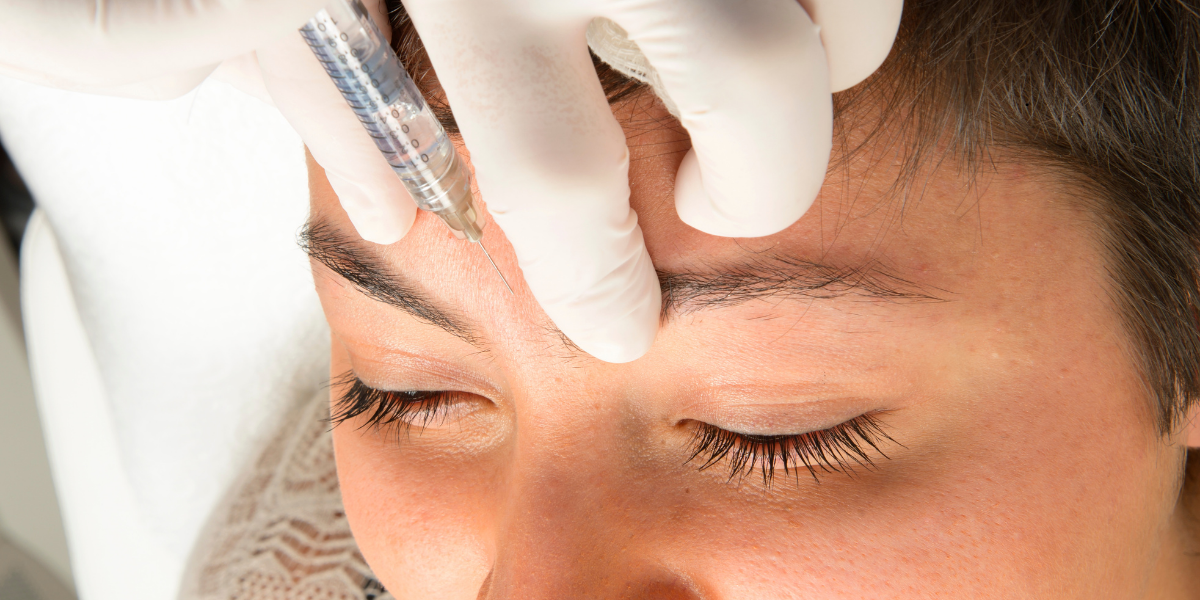
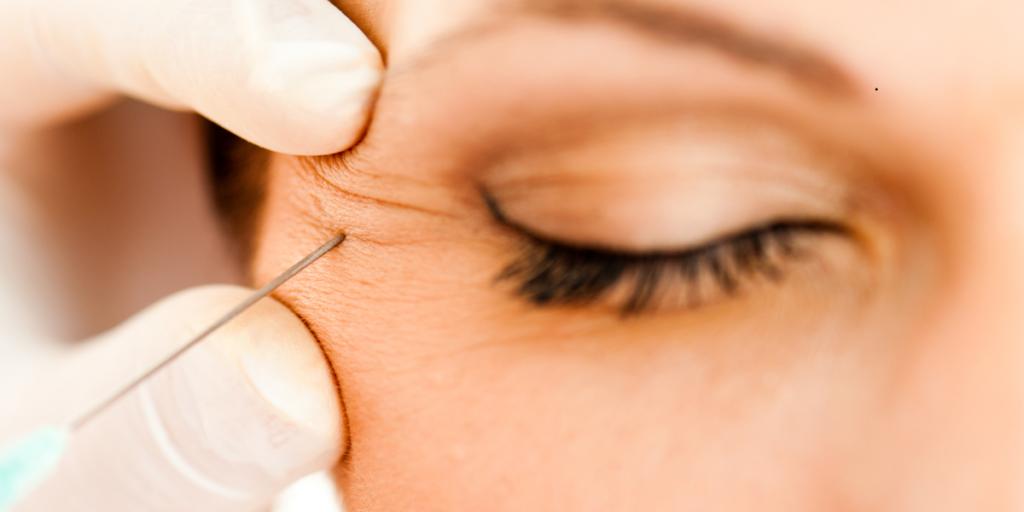
Botox relaxes specific facial muscles responsible for expression lines. These muscles contract every time you smile, frown, squint, or raise your brows. Over time, repeated movement causes the skin above those muscles to crease.
There are two types of lines:
- Dynamic lines, which appear only with movemen
- Static lines, which remain visible even when the face is at rest
Botox is most effective at softening dynamic lines and preventing them from becoming static. This is why timing matters, but not in the way many people assume.
Botox is not about age. It is about muscle activity, skin behavior, and prevention.
Why There Is No Perfect Age to Start Botox
It is common to search for a specific number. Twenty five. Thirty. Thirty five.
In reality, faces do not age according to a calendar.
Two people of the same age can have completely different facial movement patterns, collagen levels, sun exposure histories, and stress loads. One person may develop deep frown lines in their late twenties. Another may not notice them until their forties.
At RevitaLife MD, Botox is never recommended simply because of age. It is recommended when it provides a clear benefit, whether that benefit is prevention, softening early lines, or maintaining a refreshed appearance.
Botox in Your 20s: Is It Too Early?
For many, Botox in the twenties sounds unnecessary. In some cases, it is. In others, it can be helpful.
What Preventive Botox Really Means
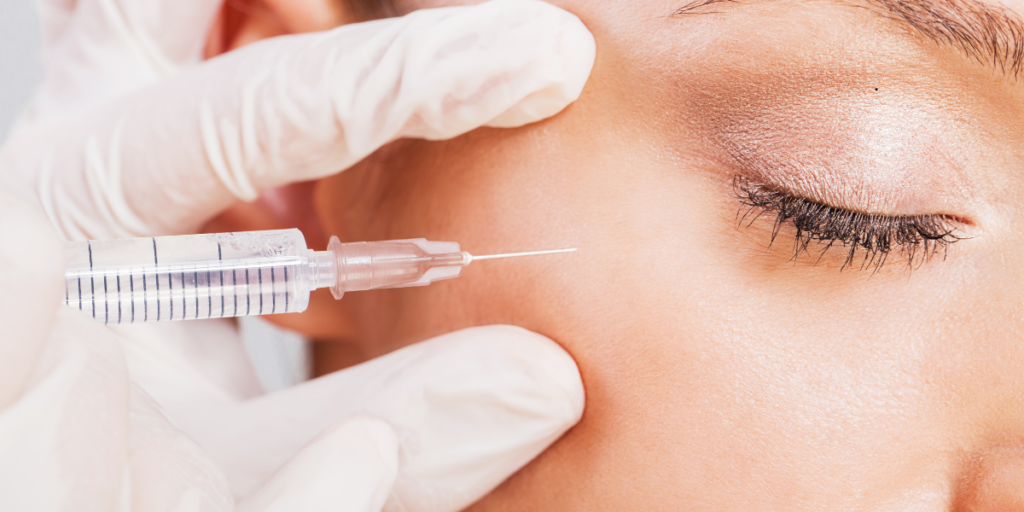
Preventive Botox focuses on reducing repetitive muscle strain before lines become permanent. It is subtle, conservative, and customized.
People who may benefit in their twenties include those who:
- Have very strong facial muscles
- Squint frequently due to vision or light sensitivity
- Have a family history of early deep lines
- Notice lines lingering after expressions
- Want to be proactive rather than corrective
Preventive Botox uses small doses and preserves natural expression. The goal is not to freeze the face. The goal is to reduce strain on the skin over time.
Starting Botox in your twenties is never required. It is simply an option for those already seeing early changes.
Botox in Your 30s: The Most Common Starting Point
For many people, the thirties are when facial aging becomes noticeable.
Collagen production begins to slow. Skin turnover decreases. Stress, sun exposure, and lifestyle habits start to show more clearly.
Dynamic lines may linger longer. Some may remain faintly visible at rest.
Why Botox Works Especially Well in Your 30s
- Muscles are still highly responsive
- Lines are often not deeply set
- Prevention can significantly slow progression
- Results look natural and soft
- Lower doses are often effective
Botox in your thirties can both prevent and correct. It softens existing lines while reducing the chance they deepen over time.
Many patients describe looking more rested, smoother, and refreshed without appearing different.
This decade is ideal for establishing a consistent, long term Botox plan.
You can learn more about Botox in Louisville, KY here.
Botox in Your 40s: Refinement and Maintenance
In your forties, facial aging becomes more structural. Collagen loss increases and static lines are more common.
Botox remains a foundational treatment, but expectations shift slightly.
What Botox Can Do in Your 40s
- Soften deeper expression lines
- Prevent further progression of static lines
- Create a smoother, more relaxed appearance
- Subtly lift and open the upper face
- Support other rejuvenation treatments
What Botox Cannot Do Alone
- Restore lost facial volume
- Lift significantly sagging skin
- Replace lost collagen
For this reason, Botox in the forties is often paired with treatments such as fillers, microneedling, or skin tightening.
Botox reduces muscle strain, allowing other treatments to work more effectively and last longer.
Botox in Your 50s and Beyond: Still Effective and Natural
Botox is not limited to younger patients.
In the fifties and beyond, Botox focuses on softening expression, reducing tension, and improving overall balance.
Many people seek Botox because their face looks tense or stern even when they feel energetic and happy.
Benefits of Botox Later in Life
- Softens harsh or heavy expressions
- Reduces frown related tension
- Creates a calmer, more approachable look
- Enhances confidence
- Supports combination rejuvenation plans
With expert technique, Botox can look extremely natural at any age.
Preventive Botox Explained Clearly
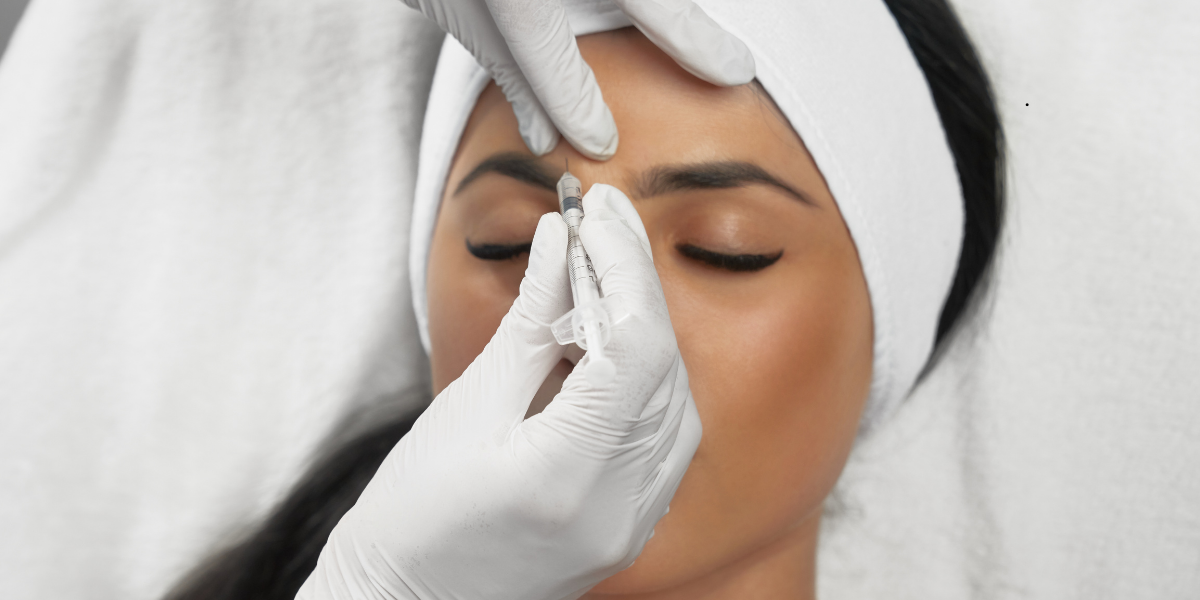
Preventive Botox does not mean starting injections before you need them. It means addressing repetitive muscle movement before it permanently creases the skin.
Think of it like sunscreen. You protect your skin before damage becomes severe.
Preventive Botox Is
- Subtle
- Strategic
- Conservative
- Customized
Preventive Botox Is Not
- Overdone
- Freezing
- Mandatory
- One size fits all
Preventive Botox works best when guided by an experienced provider who prioritizes natural movement and long term planning.
Signs You Might Be Ready for Botox
You may be ready for Botox if you notice:
- Lines lingering after expressions
- Makeup settling into creases
- A tense or tired appearance
- Strong frown lines forming
- Frequent squinting or brow lifting
- Interest in prevention rather than correction
A consultation helps determine whether Botox or another treatment is the best option.

What Happens If You Wait to Start Botox
Starting Botox later does not mean it will not work.
Botox can still soften movement and improve appearance even when lines are established. However, deeper static lines may not fully smooth with Botox alone.
Starting earlier often allows Botox to do more with less product. Starting later may require combination treatments.
Neither choice is wrong. The goal is informed decision making.
How Often Botox Is Needed
Botox is temporary. Results typically last three to four months.
If you stop, muscles gradually return to natural movement. You will not look worse than before.
Many patients choose to continue because they enjoy the results, not because they must.
Consistency often improves long term outcomes, but Botox should always feel like a choice.
For tips on extending your Botox results, read our guide.
Why Injector Skill Matters More Than Age
No matter when you start Botox, provider expertise matters most.
At RevitaLife MD, we focus on:
- Detailed facial movement mapping
- Personalized dosing
- Preserving expression
- Balanced and symmetrical results
- Long term treatment planning
Our approach is always natural, refined, and individualized.
Frequently Asked Questions
Is there an age that is too young for Botox?
Botox is FDA approved for adults. Age alone does not determine appropriateness. A consultation ensures treatment is conservative and responsible.
Will starting Botox early make me dependent on it?
No. Botox does not create dependency. Stopping simply returns your muscles to baseline activity.
Does Botox prevent wrinkles completely?
Botox significantly reduces expression lines but does not stop natural aging. Skin care, lifestyle, and genetics also matter.
Can Botox look natural?
Yes. When done correctly, Botox should look refreshed, not frozen.
Is preventive Botox necessary?
No. It is an option, not a requirement. Many people age beautifully without Botox.
How do I know if now is the right time?
A professional consultation focused on your facial movement and goals is the best way to decide.
Choosing the Right Time for You
The best time to start Botox is not defined by a number. It is defined by awareness, intention, and guidance.
Whether you are curious in your twenties, noticing changes in your thirties, refining in your forties, or maintaining later in life, Botox can be tailored to meet you where you are.
At RevitaLife MD, we believe in thoughtful timing, personalized care, and natural results.
If you are considering Botox and want an honest, individualized assessment, we invite you to schedule a consultation. Together, we can determine whether now is the right time and design a plan that feels confident, comfortable, and completely you.